
LOUIS SÜE & ANDRÉ MARE
Le style 1925
From November 20, 2025, to January 24, 2026, the Jacques Lacoste Gallery is dedicating a major exhibition to Louis Süe (1875-1968) and André Mare (1885-1932), founders of the Compagnie des Arts Français and pioneers of the 1925 style.
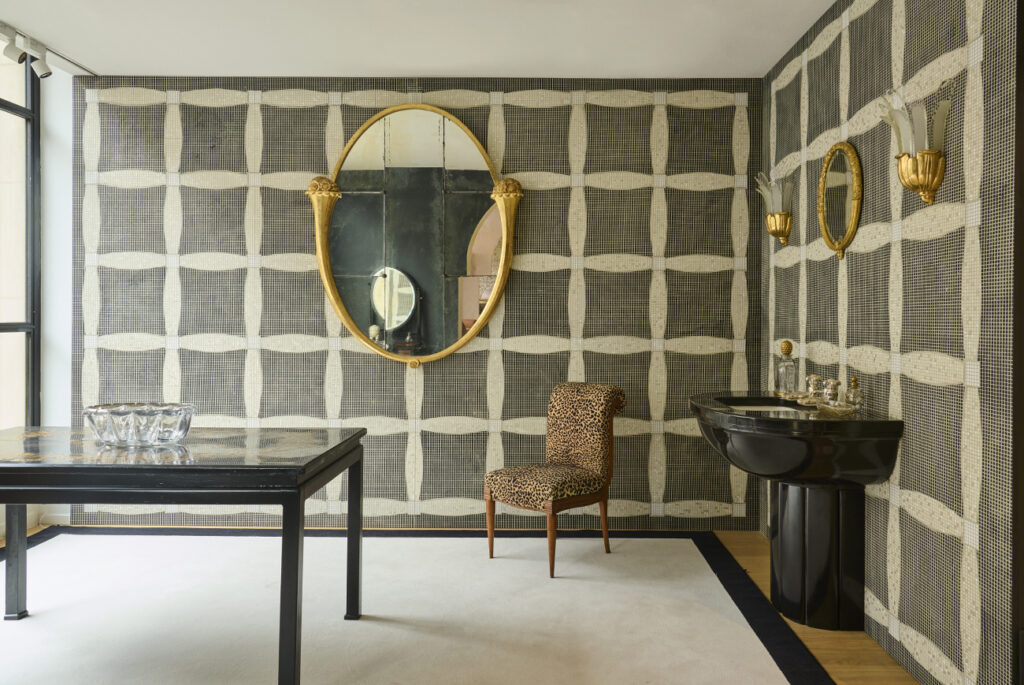
As we celebrate the centenary of the International Exhibition of Decorative and Industrial Arts, which opened in Paris in April 1925 and marked the triumph and heyday of what would later be known as the Art Deco style, the exhibition presented at the gallery highlights some of the most beautiful creations by Louis Süe and André Mare and the Compagnie des Arts Français.
THE 1925 STYLE
The 1925 exhibition in Paris was an extraordinary showcase bringing together the best of contemporary design and craftsmanship. It featured side-by-side displays of luxurious designs by leading decorators, more industrial-style modernist creations by the future protagonists of the UAM (Union des Artisans Modernes), and Le Corbusier’s Pavillon de l’Esprit Nouveau. This vast panorama marked a turning point, with each of the exhibition’s participants expressing the same aspiration for modernity, definitively ushering decorative arts into a new century.
1925 set out the principles of modern luxury, driven by exceptional techniques and materials, combined with a range of forms, many of which were inspired by a history of furniture reinvented in the light of the 20th century. The style that emerged at the 1925 exhibition had slowly matured over the previous decade, thanks to the decline of Art Nouveau and the impetus of young designers who were determined to renew the world of decorative arts. Among them, Louis Süe and André Mare joined forces in 1919 on an ambitious project: the Compagnie des Arts Français.
LOUIS SÜE AND ANDRÉ MARE, PIONEERS OF ART DECO
Born in Bordeaux in 1875, Louis Süe studied architecture at the École des Beaux-Arts in Paris. Passionate about painting and dreaming of a career in the arts, he exhibited alongside the Nabis at the 1902 Salon des Indépendants. After graduating, he set up an architectural firm with Paul Huillard. It was his meeting with fashion designer Paul Poiret in 1909 that encouraged him to turn his attention to the decorative arts.
In his desire to participate in the writing of modernity, Louis Süe opened “L’Atelier Français,” an interior design store.
Born in 1885 in Argentan (Orne), André Mare studied art in Paris at the École des Arts Décoratifs and the Académie Julian. He first came to prominence at the 1909 Salon d’Automne, where he exhibited decorative panels and art bindings, then again at the 1912 Salon d’Automne, where, in collaboration with Raymond Duchamp-Villon, he presented the Maison Cubiste, a Cubist architectural project that caused a scandal.
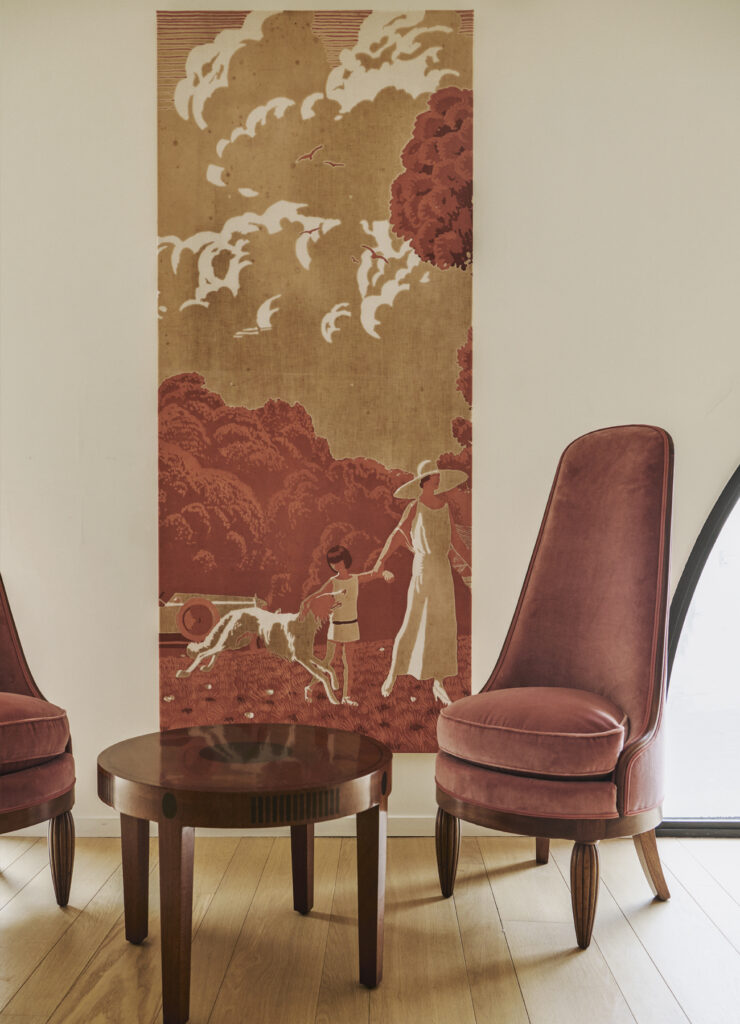
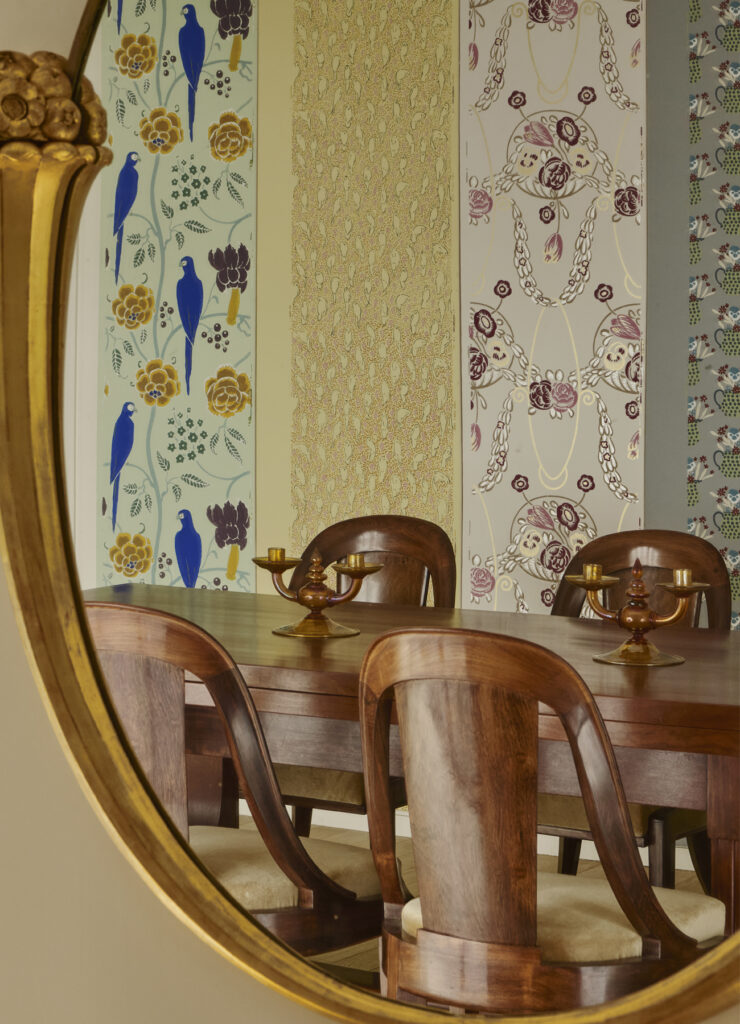
Louis Süe and André Mare frequented the same artistic circles and shared a similar approach to modernity. They exhibited together for the first time in 1913 as part of “L’Atelier Français.” Both were called up for military service in 1914, but reunited after the war and founded the Compagnie des Arts Français in 1919, a decoration and publishing company based at 116 rue du Faubourg Saint-Honoré in Paris. Convinced of the need to combine complementary disciplines in order to carry out ambitious decoration projects, they surrounded themselves with artists and craftsmen, including painters Paul Véra, Charles Dufresne, Gustave-Louis Jaulmes, Bernard Boutet de Monvel, and André Dunoyer de Segonzac; ironworker Richard Desvallières; sculptor Pierre Poisson; painter and glassmaker Maurice Marinot; and designer André Marty, each of whom remained free to create individually. Keen to create coherent ensembles, they dealt with all aspects of decoration: furniture, lighting, textiles, wallpaper, bronzes, ceramics, and glassware.
From 1921 to 1927, Louis Süe’s work as an architect enabled the Compagnie des Arts Français to secure prestigious commissions combining architectural design and decoration, notably the interior design and furnishings for the French Embassy in Washington, the luxury cabins on the ocean liner Paris (1921) and the grand first-class lounge on the ocean liner Ile-de-France (1927).
In Paris, the Compagnie des Arts Français designed the boutiques of jeweler Linzeler and couturier Jean Patou. A friend of Louis Süe, Jean Patou entrusted him with the design of his mansion and his house in the Basque Country.
From 1923 onwards, Süe and Mare worked on their project to participate in the 1925 International Exhibition of Decorative and Industrial Arts, where they hoped to showcase a wide range of proposals and assert their views on decoration.
1925 was a peak year for the Compagnie des Arts Français, earning it international recognition. The Compagnie des Arts Français had its own pavilion entitled “the Museum of Contemporary Art” on the Esplanade des Invalides and also participated in the design and furnishing of the Fontaine pavilion, the French Embassy, the Parfums d’Orsay boutique, the Grand Palais ballroom, and the Pleyel stand.
In 1928, they designed and decorated actress Jane Renouardt’s mansion in Saint-Cloud. This was the last major project for Süe and Mare, who handed over management of the Compagnie des Arts Français to Jacques Adnet that same year.
CREATING A STYLE
When Louis Süe and André Mare conceived the Compagnie des Arts Français, they were driven by a desire to develop a new decorative vocabulary. However, this desire for change was by no means a desire to make a clean break with the past. The two designers intended to continue in the tradition of French cabinetmaking and craftsmanship, as they stated in their 1921 manifesto entitled “Architectures”: “We would like any beautiful piece of furniture from the past to feel at home among our furniture, to be welcomed as an ancestor and not as an intruder.”
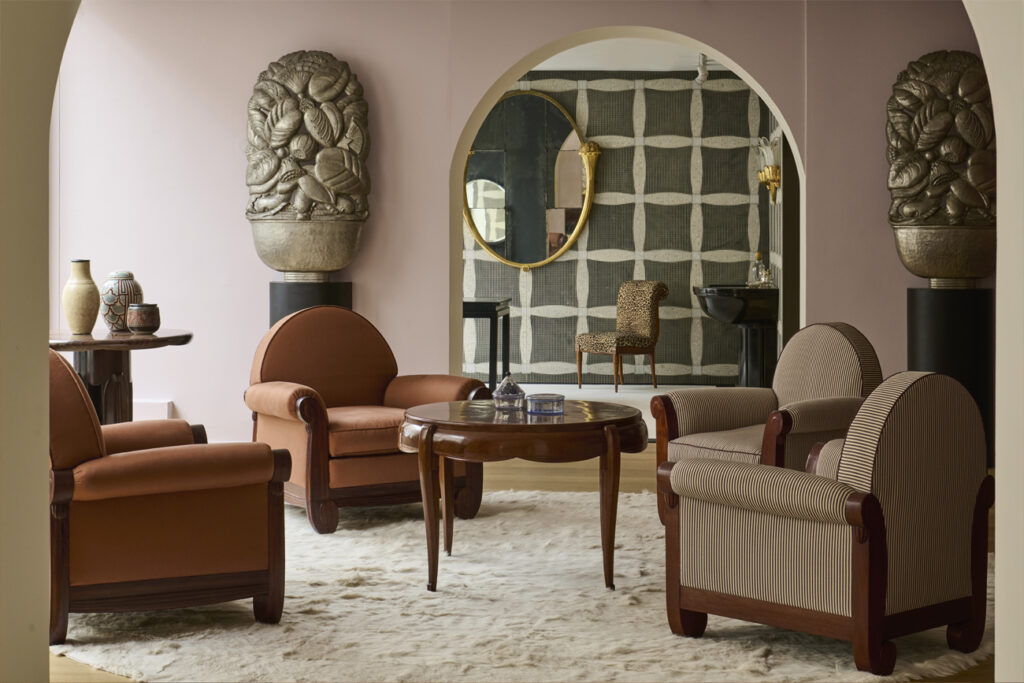
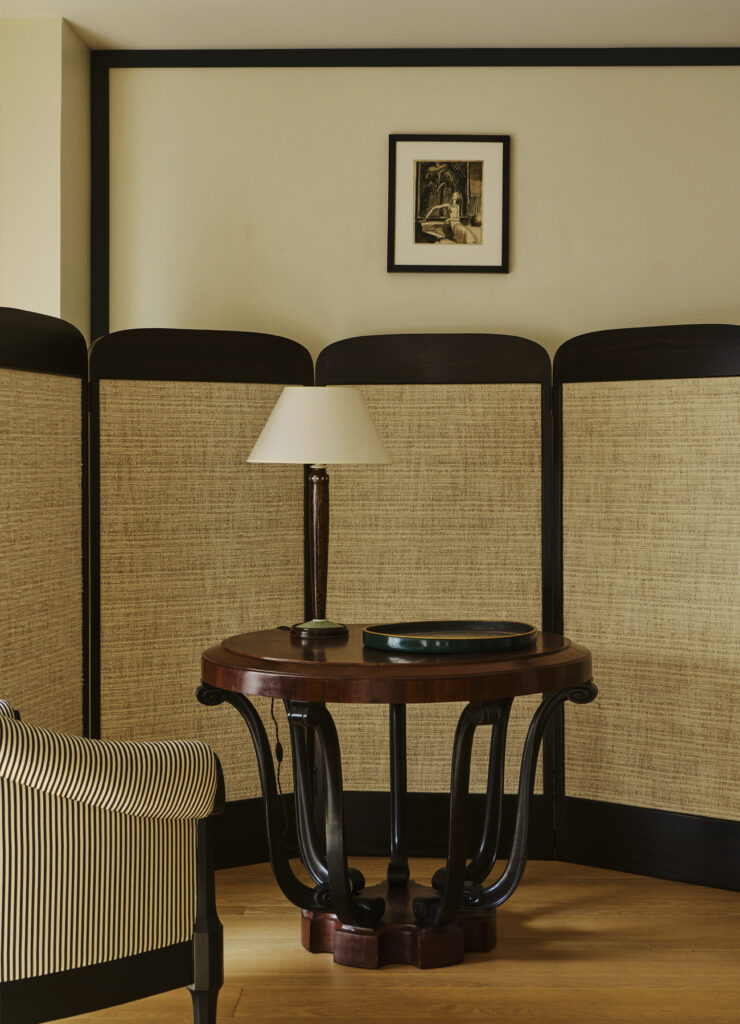
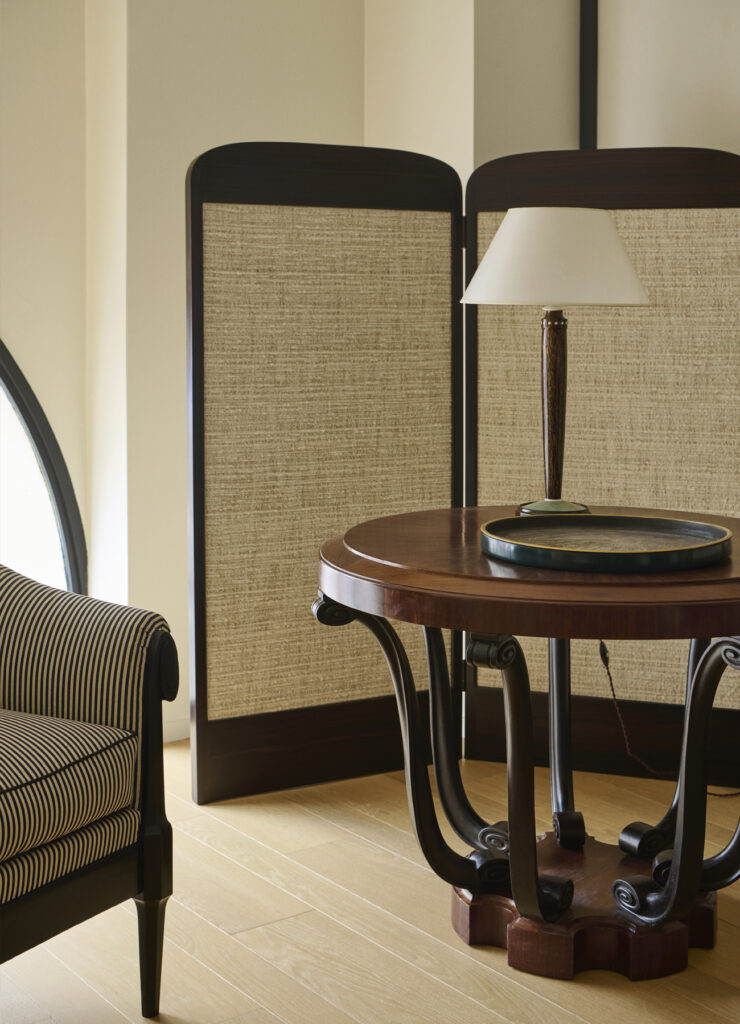
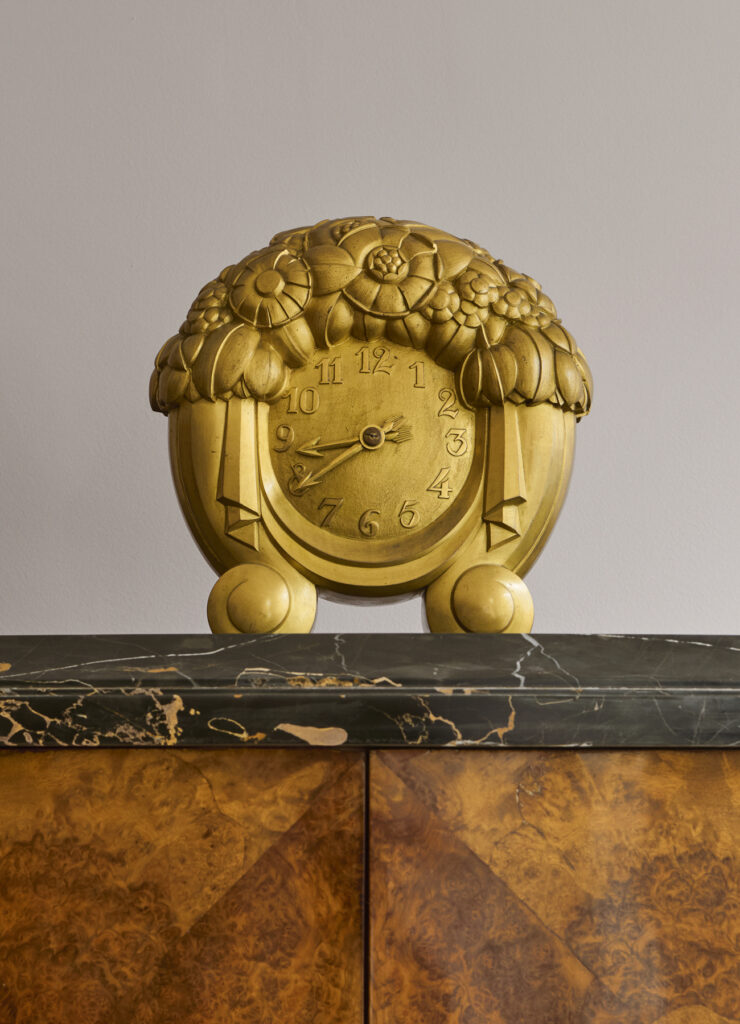
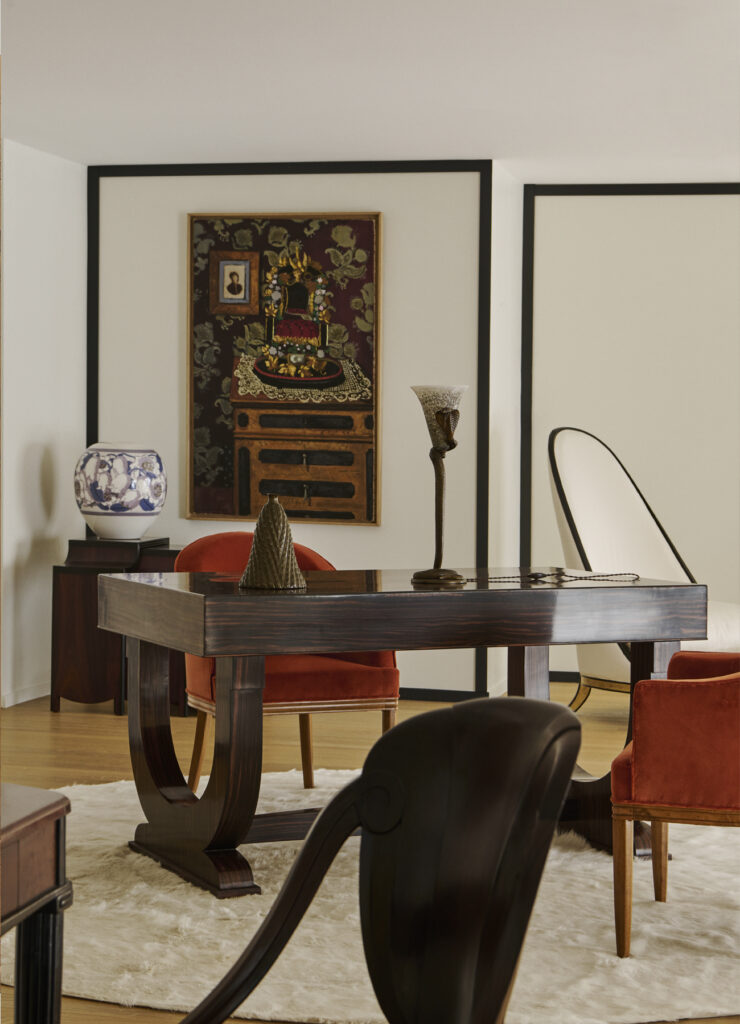
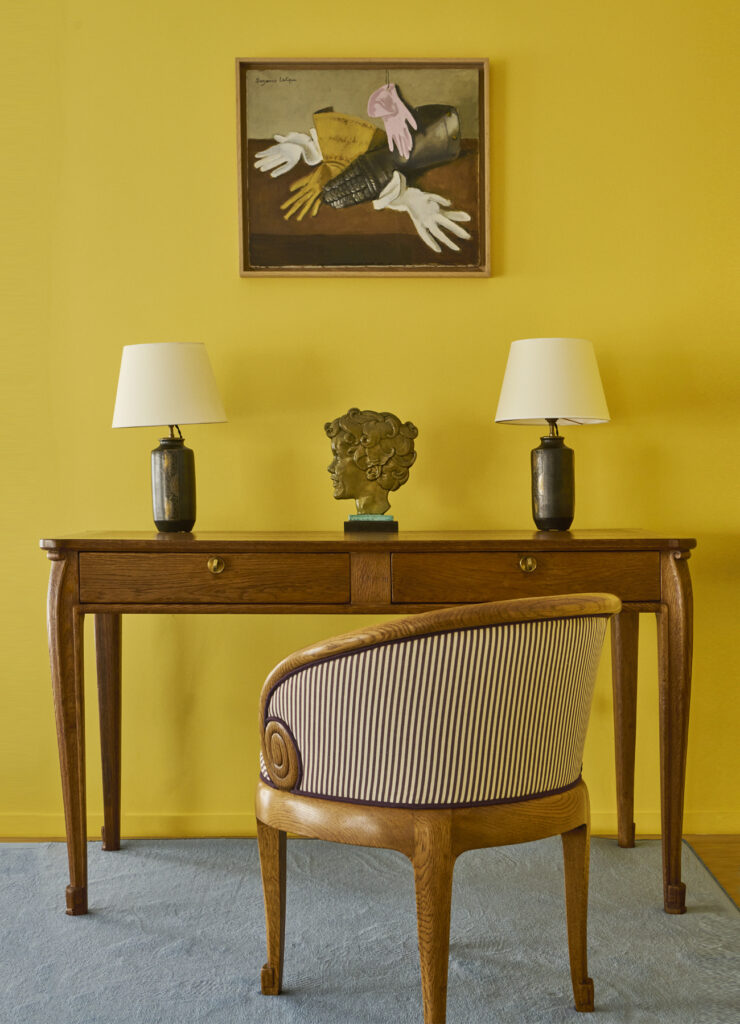
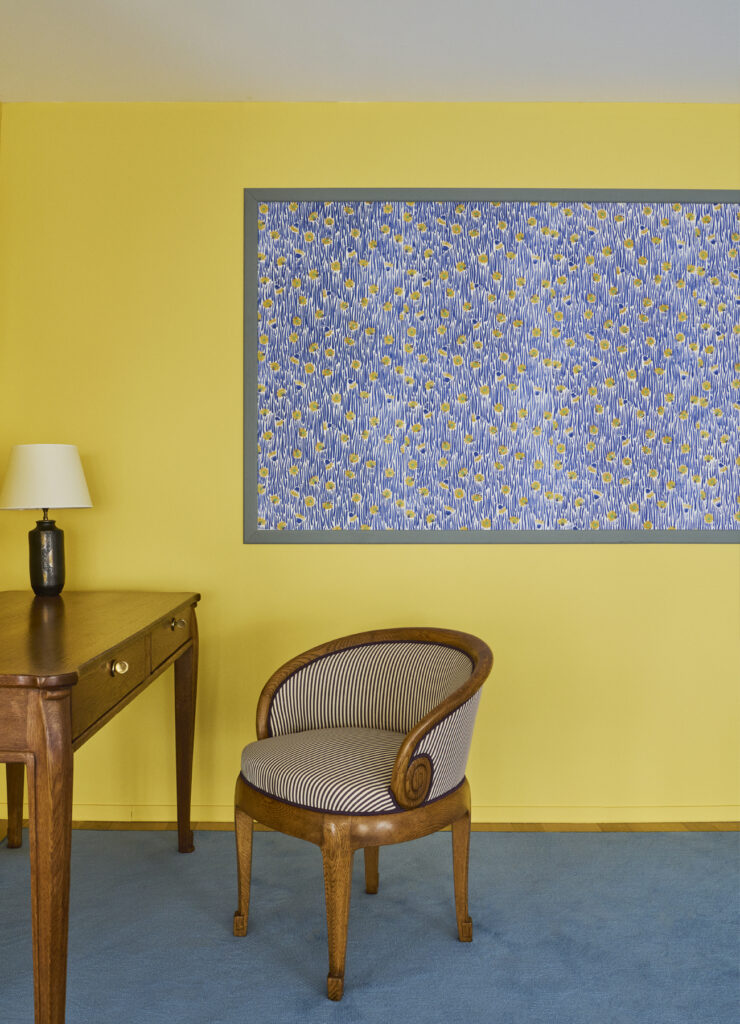
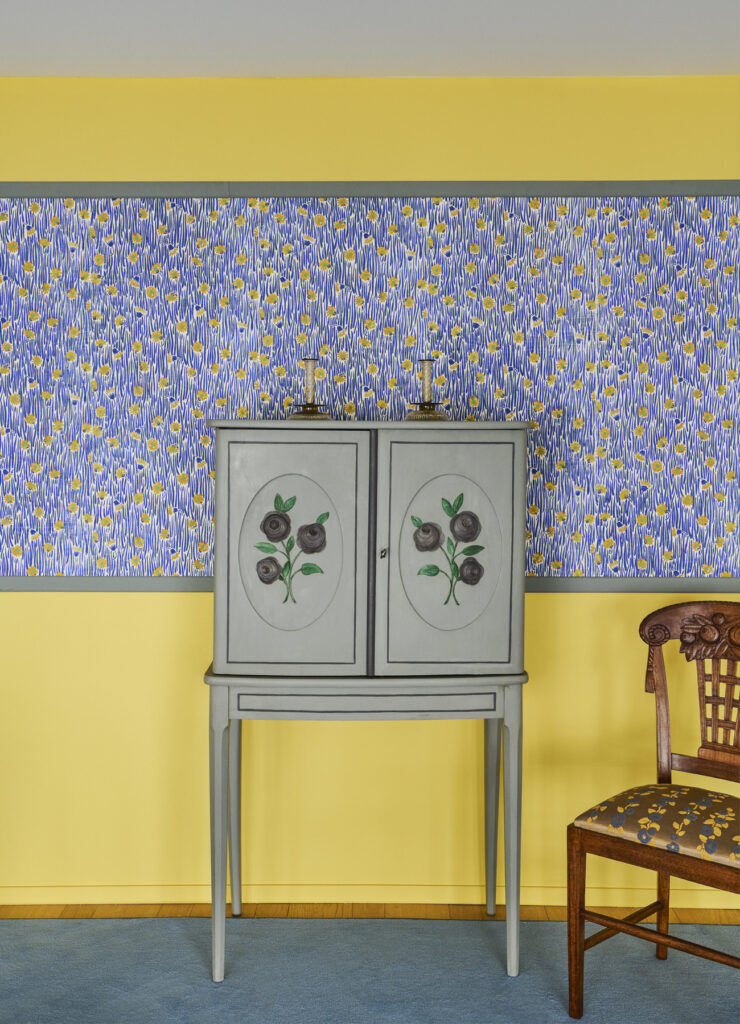
Their creations therefore drew on French classicism without nostalgia. This inspiration was only the starting point for an in-depth reflection on form: lines tended towards simplification, curves became more pronounced, lines were refined, seats were enveloping and comfortable… This stylistic vocabulary was based on magnificent wood species and luxurious manufacturing.
The classicism that is apparent at first glance reveals the full extent of a modern style, which would influence the 1930s and emerged in the early 1920s through the visionary creations of Süe and Mare and the Compagnie des Arts Français.
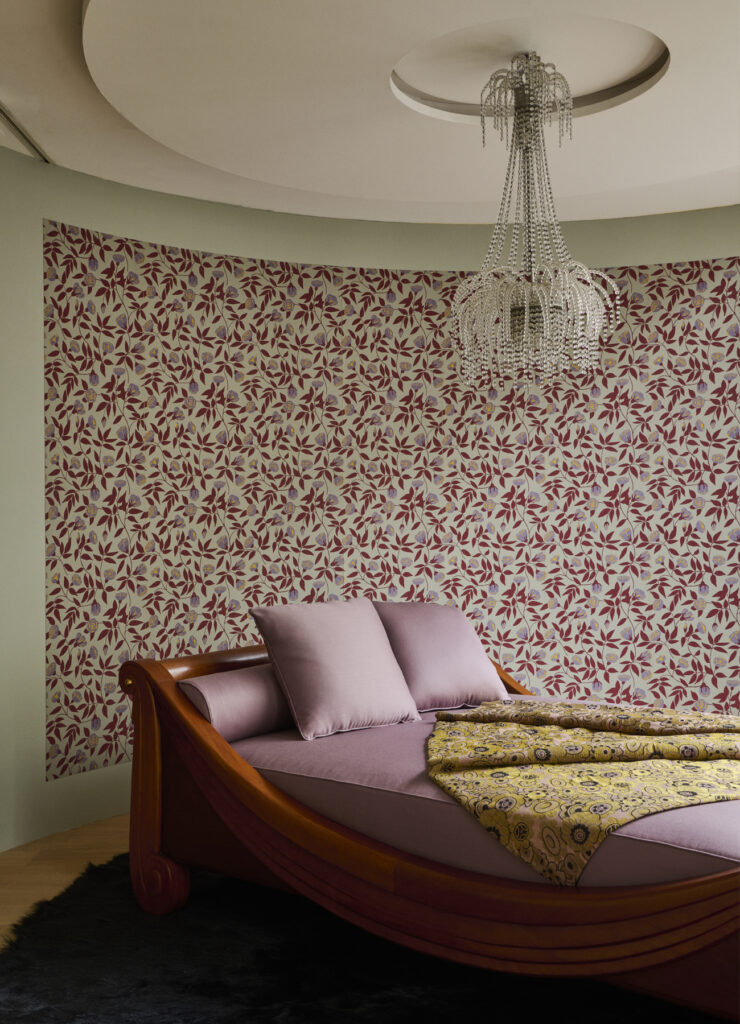
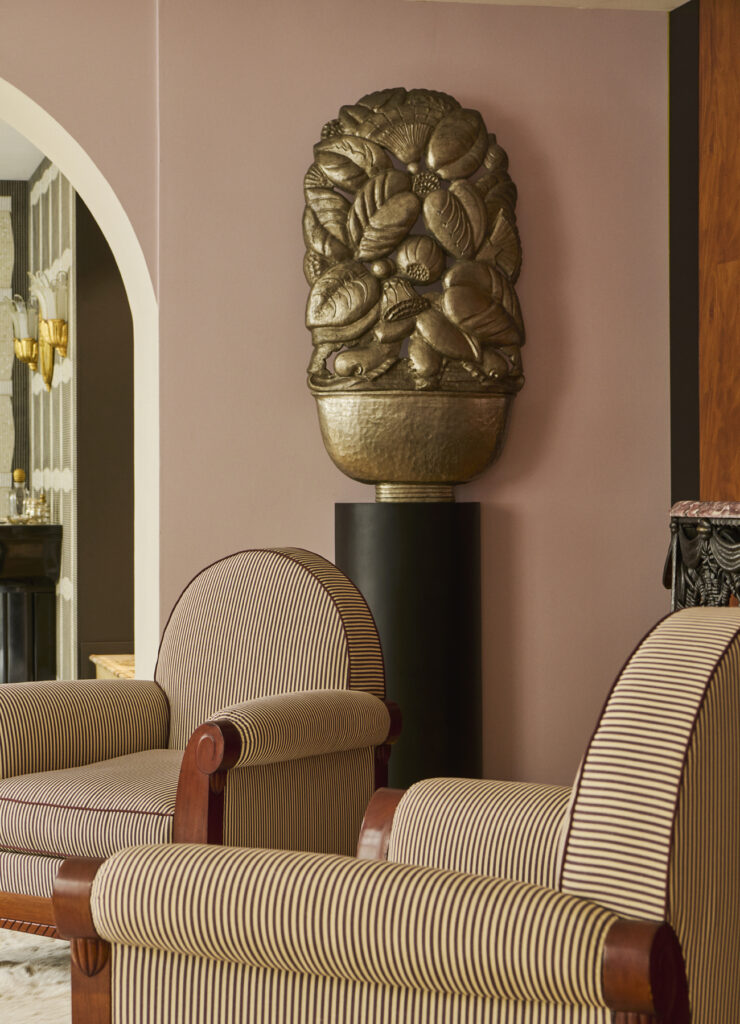
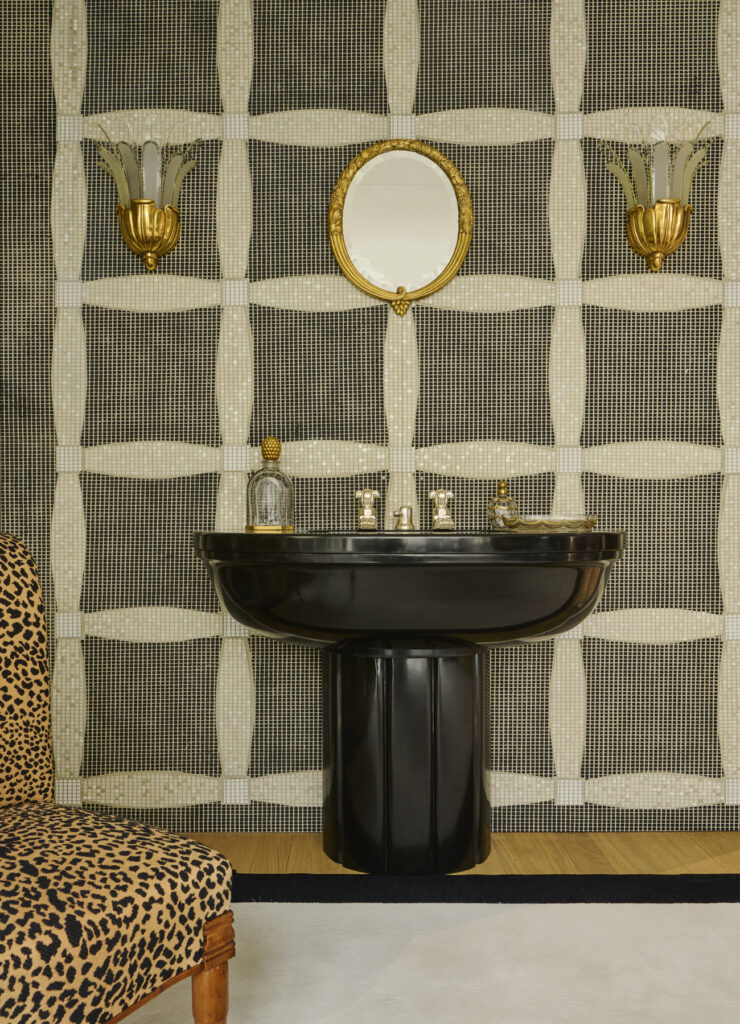
This is perfectly illustrated by the fifty or so pieces by Süe and Mare brought together by the gallery, as well as the consoles by Richard Desvallières created for the Compagnie des Arts Français.